

Matcha vs. Hojicha: The Differences Between Two Japanese Teas
🌱 Matcha vs. Hojicha: two Japanese teas, two distinct experiences
Japanese tea is a universe full of nuance, history and tradition. Among all its varieties, two stand out above the rest today: Matcha and Hojicha. Both come from the same plant (Camellia sinensis), yet their cultivation, processing, flavour and character are so different that they practically represent two ways of experiencing tea.
In this article we explain, simply and thoroughly, what sets them apart, what unites them and how to choose the right one for your taste, your routine and your moments of the day.
🍃 What is Matcha?
Matcha is a Japanese green tea that is grown under shade, processed as tencha and stone-milled into a very fine powder. Unlike other teas, when you drink matcha you consume the whole leaf, not just an infusion.
That is why it is especially rich in chlorophyll and L-theanine, the compounds behind its colour and umami.
Characteristics of matcha
- An intense, vibrant green colour.
- A smooth, sweet, vegetal flavour rich in umami.
- A creamy, silky texture when properly prepared.
- The centrepiece of the Japanese tea ceremony.
- Contains more caffeine than many other green teas.
Matcha is the natural choice for those who love vivid colour and fresh, vegetal flavour, especially in the morning or alongside work and study sessions.
🍂 What is Hojicha?
Hojicha is also a Japanese green tea, but with one key difference: it goes through a roasting process. Instead of focusing on shading and stone milling, the starring role falls to that roast, which completely transforms its flavour, colour and aroma.
Characteristics of hojicha
- A warm, earthy brown colour, the result of roasting.
- A toasted, mellow, slightly sweet flavour with caramel notes.
- Naturally very low in caffeine.
- A comforting aroma, perfect for moments of relaxation.
- A gentle, rounded cup with no sharp edges.
It is the perfect tea for afternoons, evenings, or anyone who prefers calm, mellow drinks.
🔍 Key differences between Matcha and Hojicha
Although they come from the same plant, Matcha and Hojicha differ at practically every stage: cultivation, production, flavour, colour and how they are enjoyed. Let's look at the most important differences.
1. 🌱 Production process
Matcha:
- Grown under shade for several weeks before harvest.
- The leaves are briefly steamed to halt oxidation.
- They are dried and stripped of stems and veins, producing tencha.
- The tencha is slowly ground in granite stone mills.
Hojicha:
- Does not require specific shade growing.
- The leaves (and sometimes stems) are roasted at high temperatures.
- Traditionally enjoyed as an infusion, like a more classic tea.
In short, matcha is defined by fine milling and the whole powdered leaf, while hojicha is defined by its aromatic roast.
2. 🎨 Colour and appearance
- Matcha: bright, almost neon green, with a vivid, fresh look.
- Hojicha: brown, reddish or chocolate tones, born of the roast.
3. ☕ How they are drunk
One very clear difference is how each one reaches your cup:
- Matcha: whisked with water or milk into a smooth, homogeneous drink (a matcha latte, for example). We drink the tea powder itself, nothing is strained out.
- Hojicha: prepared as an infusion, steeping the roasted leaves in hot water and straining them afterwards. It also exists in powdered form for lattes, but loose leaf is most common.
4. 😋 Flavour and aroma
Matcha:
- A fresh, vegetal, slightly sweet flavour.
- Notes of umami reminiscent of gentle seaweed or tender spinach.
- A creamy texture when well emulsified.
Hojicha:
- Warm, toasted notes reminiscent of caramel, nuts or gentle cocoa.
- A very soft, rounded profile, without the intense vegetal edge of classic green tea.
- A comforting aroma, ideal for quiet moments.
5. ⚡ Caffeine content
Caffeine content is a key factor when choosing between Matcha and Hojicha.
- Matcha: contains a similar amount of caffeine to other high-quality green teas, alongside L-theanine, the amino acid characteristic of shade-grown leaves that shapes its smooth, rounded flavour.
- Hojicha: because it is roasted, its caffeine content drops, and it is generally considered a tea that is very low in caffeine. Many people enjoy it in the afternoon or evening.
6. 💚 What's in each leaf
Matcha:
- Naturally rich in catechins, the compounds behind its gentle briskness.
- Offers a deep, savoury umami with a naturally sweet edge.
- Pairs beautifully with milk in lattes and with desserts.
- Owes its smooth character to L-theanine, developed during shading.
Hojicha:
- Mellow and toasty, with hardly any bitterness to speak of.
- Its naturally low caffeine makes it a favourite for evenings.
- Carries the comforting, roasted aromas created during toasting.
- A great option for anyone wanting less caffeine without giving up tea.
🍵 Which to choose: Matcha or Hojicha?
It is not about which one is better, but about what you are looking for in each moment.
Choose Matcha if…
- You love the taste of green tea and its vegetal nuances.
- You want a bolder, more caffeinated cup for the morning.
- You love a vivid green colour in the cup.
- You are drawn to the ritual of whisking matcha or enjoying it as a latte.
Choose Hojicha if…
- You prefer toasted, mellow, comforting flavours.
- You want a tea for the afternoon or evening, with little caffeine.
- You want something soft and gentle to round off a meal.
- You fancy an alternative to classic green tea, with a warmer profile.
💚 Matcha Colors: two Japanese gems in your cup
At Matcha Colors we love both teas because they represent two complementary faces of Japanese tea:
- 💚 Japanese Matcha Premium: vibrant, creamy, full of green nuance and perfect for starting the day.
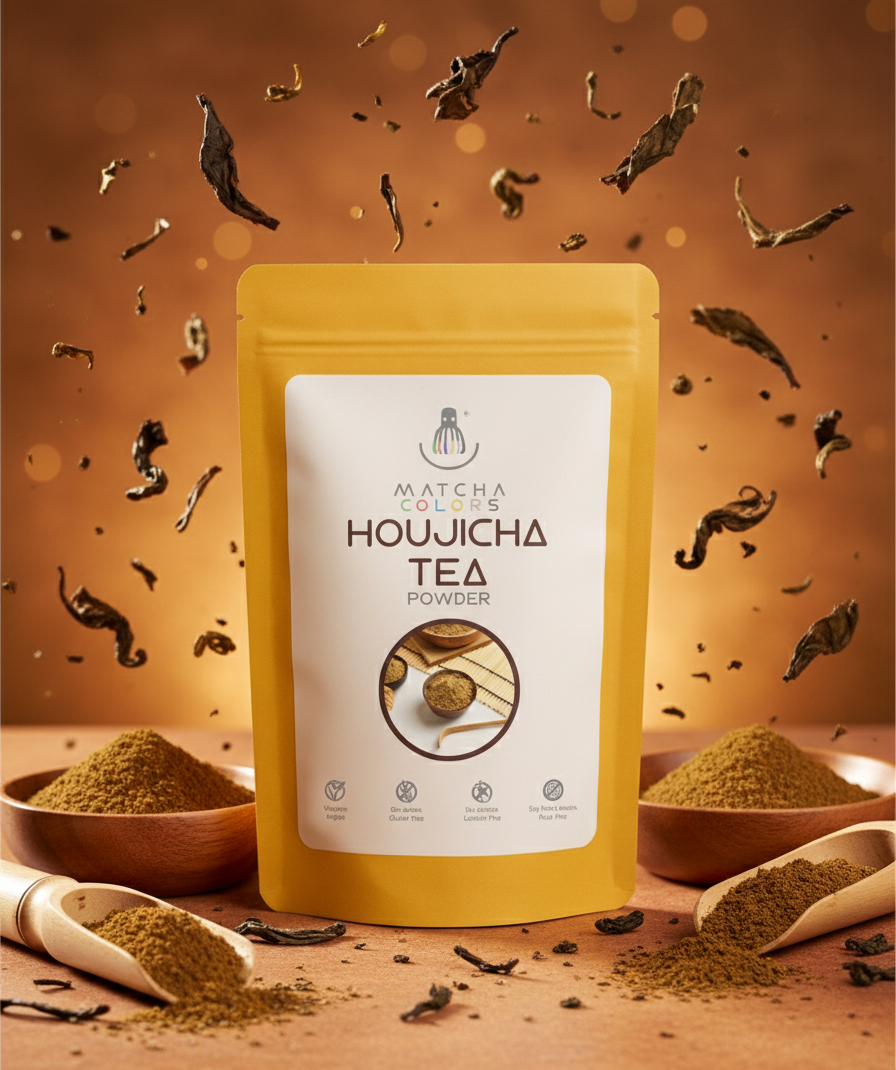
- 🍂 Hojicha Premium: toasted, warm and comforting, ideal for quiet moments, reading or after-lunch conversation.
Whether you have loved tea for years or are just discovering this world, exploring the difference between Matcha and Hojicha is a delicious way to travel to Japan through the cup.
We invite you to discover both in our online store and find your perfect combination for every moment of the day and every mood.
Try it at home
The products mentioned in this article: Japanese Matcha Premium · Hojicha Premium Tea Powder

