

Genmaicha: The History, Flavour and Tradition of Japan's Most Comforting Tea
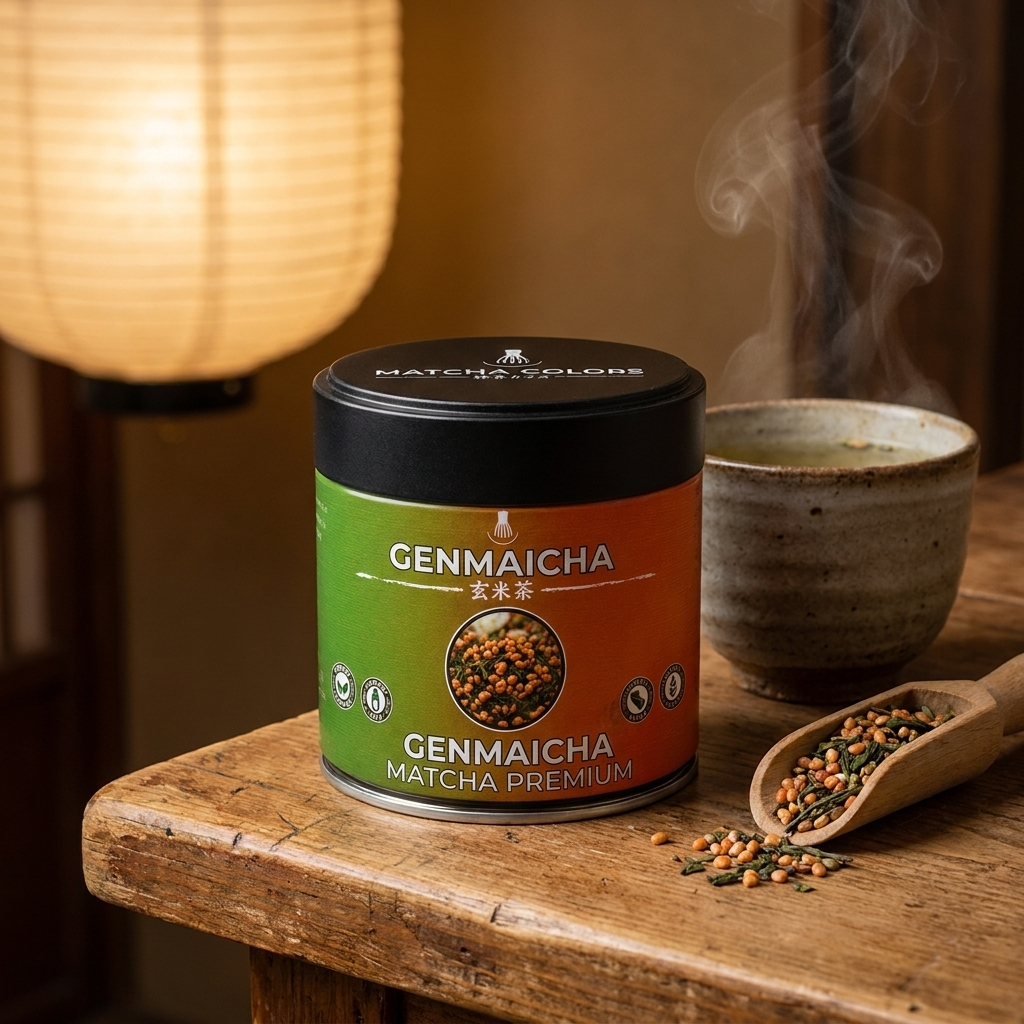
Genmaicha: the history, flavour and tradition of Japan's toasted rice tea
Genmaicha is Japanese green tea blended with toasted brown rice. It smells of popcorn and freshly toasted grain, has very little bitterness and is one of the easiest teas to drink for anyone who doesn't usually drink green tea. Here is where it comes from, what it tastes like and how to prepare our powdered Genmaicha.
What is genmaicha?
The name says it all: genmai is brown rice and cha is tea. Traditionally it is made with everyday green tea leaves, such as bancha or sencha, mixed with grains of toasted rice. Some of the grains pop as they toast and look like tiny pieces of popcorn, which is why in Japan it is also called "popcorn tea".
Where does it come from?
The most often told story is a humble one: rice was used to stretch tea, which was expensive, so the same amount of leaves went further and made more cups. Over time the blend stopped being a thrifty fix and became a classic in its own right, for its flavour. Today it is drunk every day in homes and restaurants all over Japan, often alongside meals.
What does genmaicha taste like?
- Aroma: toasted rice, popcorn and toast.
- Flavour: grain and nuts, over a soft vegetal background of green tea.
- Bitterness: very little, which is why even people who find green tea too intense enjoy it.
- Texture: light; as a latte it turns creamy with a toasty edge.
Genmaicha, hojicha and matcha
| Matcha | Hojicha | Genmaicha | |
|---|---|---|---|
| What it is | Shade-grown, stone-ground green tea | Roasted green tea | Green tea with toasted brown rice |
| Colour | Deep green | Brown | Pale green and toasty |
| Flavour | Umami and vegetal | Caramel and sweet wood | Grain and popcorn |
| Caffeine | Yes | Yes | Yes, from the green tea |
All three are made with green tea, so all three contain caffeine. In genmaicha, the rice adds no caffeine. We explain it in matcha and caffeine: what is in your cup. And the differences between the two toasted teas are in hojicha and genmaicha, matcha's toasted cousins.
How to prepare our powdered genmaicha
Our Genmaicha Premium Tea Powder has just two ingredients, green tea powder and toasted rice powder, and is prepared just like matcha:
- Put 1 teaspoon (1 g) in a cup or bowl. For a stronger cup, 2 g.
- Add 120 ml of water at about 80 °C and whisk until there are no lumps.
- Drink it as it is, or add 120 ml of milk or a plant-based drink, hot or over ice.
The whisking technique, with or without a chasen, is in our guide to making matcha at home.
And loose-leaf? Loose-leaf genmaicha is brewed with 2-3 g per cup, water at about 80 °C and 1-2 minutes' steeping, and it will take one or two more infusions.
Ideas for using it
- Genmaicha with milk: with oat drink the grainy flavour really comes through.
- Baking: in biscuits, sponges or custards it adds a toasty aroma reminiscent of caramel.
- Ice cream or yoghurt: a pinch on top, as you would cocoa.
Frequently asked questions
Does genmaicha contain caffeine?
Yes, from the green tea in it. The toasted rice contains no caffeine. We don't have a laboratory measurement for our genmaicha, so we don't present it as low in caffeine.
Why does it taste of popcorn?
Because of the toasted brown rice. As it toasts, some of the grains pop like popcorn, and that toasted aroma dominates the cup.
Can you drink it with milk?
Yes. Whisk it first with a little hot water, then add 120 ml of milk or a plant-based drink. It is especially good with oat or soya.
Keep reading
- Matcha, hojicha and genmaicha compared
- Matcha vs hojicha: differences in flavour, colour and caffeine
- Where our matcha comes from: Kagoshima and the Sakurajima volcano
- Rooibos: the caffeine-free red infusion
Try it at home
The products mentioned in this article: Genmaicha Premium Tea Powder

